

Executive answer: Global businesses use IT staff augmentation to add proven skills quickly, keep control of delivery, and scale capacity without making every role a permanent hire. The model works best when the client owns priorities and the partner provides vetted people, clear governance, secure access, and fast replacement support.
What Is IT Staff Augmentation?
IT staff augmentation is a flexible hiring model that adds external technology specialists to a company’s existing team for a defined period. The client usually manages the daily work, backlog, priorities, and product decisions. The provider handles talent sourcing, screening, contracts, payroll, and replacement support.
In simple terms, the company gains the skills it needs without waiting months to complete permanent recruitment. A business may add one backend engineer, several mobile developers, DevOps Engineers, UI/UX Designers, a quality engineer, or a complete Agile Development Squad.
People also call this technology staff augmentation, software team augmentation, IT team augmentation, resource augmentation services, augmented team services, or staff augmentation services. The labels vary, but the key idea is the same: external specialists become an active part of the client-led delivery team.
What is staff augmentation compared with ordinary recruitment?
Permanent recruitment builds long-term internal headcount. Staff augmentation adds capacity for a changing need. The augmented specialist works within the client’s process, but the service provider remains responsible for the commercial engagement.
| Question | Permanent hire | Augmented specialist |
|---|---|---|
| How fast can capacity change? | Usually slow | Usually faster |
| Who sets daily priorities? | Client | Client |
| Is the role permanent? | Normally yes | No; based on need |
| Who handles employment administration? | Client | Provider |
| What is easiest to change? | Limited after hiring | Role, hours, or team size under the agreement |
Why Are Global Businesses Using Staff Augmentation?
Global businesses are using IT Staff Augmentation because software demand changes faster than traditional hiring plans. Product launches, migrations, security work, AI features, compliance deadlines, and platform upgrades may create urgent skill gaps. A flexible model lets the company respond without lowering its hiring standard.
The labor market supports this concern. The U.S. Bureau of Labor Statistics projects employment for software developers, quality assurance analysts, and testers to grow 15% from 2024 to 2034. It also projects about 129,200 openings each year on average. This does not prove that every company has a shortage, but it shows strong continuing demand for software talent.
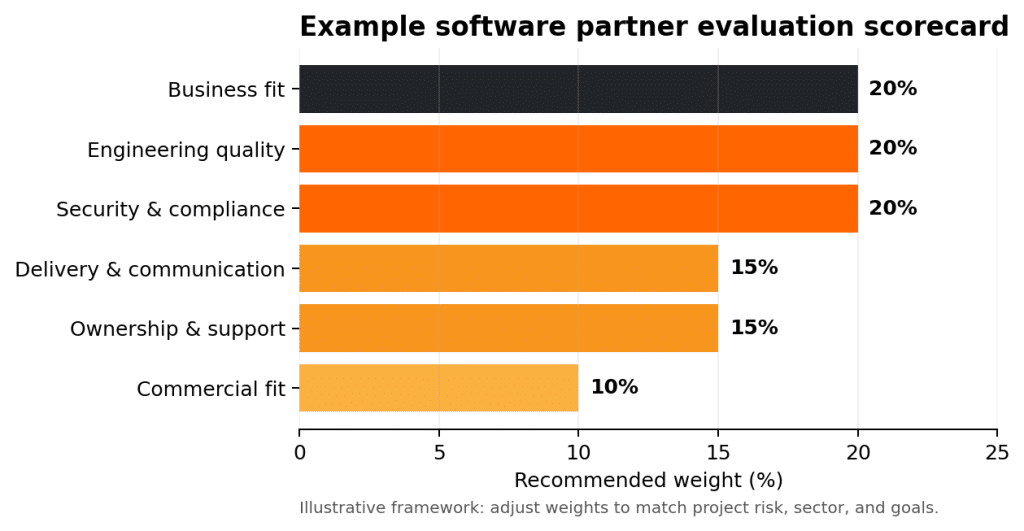
Figure 1. U.S. employment growth projections, 2024–2034. Source: U.S. Bureau of Labor Statistics.
Why does speed matter beyond filling empty seats?
A missing specialist can block more than one task. Without a cloud engineer, deployment may stay manual. Without a product designer, developers may build the wrong workflow. Without test automation, every release may take longer. Staff augmentation reduces the time between identifying a gap and placing a capable person inside the delivery flow.
Why does access matter as much as cost?
The strongest business case is not “cheap developers.” It is timely access to scarce skills. Offshore team augmentation can widen the talent pool across countries and time zones. It may also lower total cost, but buyers should compare output, management effort, security, communication, and continuity—not hourly rates alone.
How Does Staff Augmentation Work?
A good engagement follows a controlled sequence. The client defines the outcome and skill gap. The provider screens candidates against that need. The client interviews finalists, approves the people, and places them into its delivery process. Performance is reviewed often, and the team can scale up, scale down, or change skills under agreed terms.
- Define the business outcome, delivery date, current team, and missing capability.
- Write a role scorecard covering technical skills, product context, communication, security, and time-zone overlap.
- Review vetted profiles and ask for evidence from similar work.
- Run structured technical and behavioral interviews using the same scorecard for every candidate.
- Agree on rates, notice periods, replacement terms, ownership of work, confidentiality, and access controls.
- Complete onboarding with repositories, environments, architecture, tickets, definitions of done, and named decision-makers.
- Measure delivery outcomes, quality, collaboration, and knowledge transfer every week.
How does staff augmentation work after onboarding?
The augmented specialist should join the same planning, standups, reviews, retrospectives, and documentation process as internal colleagues. Treating external people as a separate task queue often creates delay and weak ownership. A shared backlog and clear engineering standards create one team, even when contracts differ.
Which Engagement Model Fits the Work?
No single model fits every project. The correct choice depends on control, scope clarity, duration, internal management capacity, and whether the buyer wants people, a team, or a completed outcome.
| Model | Best fit | Client control | Provider responsibility |
|---|---|---|---|
| IT staff augmentation | Specific skills inside an existing team | High | Supply and support vetted talent |
| Dedicated Development Teams | Ongoing product or platform roadmap | High to shared | Maintain a stable cross-functional team |
| Project-Based Hiring | Clear scope and deliverable | Medium | Deliver the agreed project outcome |
| Software outsourcing | A workstream or product delegated to a vendor | Medium to low | Manage delivery method and team |
| Managed services | Ongoing service level or operation | Low on daily tasks | Meet service levels and operate the function |
What is staff augmentation vs outsourcing?
In staff augmentation vs outsourcing, the key difference is delivery ownership. With staff augmentation, the client directs the people and remains accountable for the roadmap. With outsourcing, the vendor normally owns more planning, staffing, coordination, and delivery. The same distinction applies to IT staff augmentation vs outsourcing.
What is staff augmentation vs managed services?
In staff augmentation vs managed services, the buyer chooses between capacity and an outcome-based service. Augmentation provides people who work inside the client’s system. Managed services provide a defined ongoing result, such as monitored infrastructure, application support, or managed DevOps services, under service levels.
What is project-based vs staff augmentation?
Project-based vs staff augmentation is mainly a question of scope and management. Choose Project-Based Hiring when the deliverable and acceptance rules are stable. Choose augmentation when requirements will change and the client wants to guide the work directly.
What Are the Main Staff Augmentation Benefits?
The most useful staff augmentation benefits are speed, flexibility, access, control, and continuity. They are valuable only when the provider supplies the right people and the client has enough product and engineering leadership to use them well.
- Faster access to specialized skills for product, cloud, data, security, quality, DevOps, and design work.
- Flexible capacity that can increase during a release and reduce after the peak.
- Client control over priorities, architecture, product decisions, and day-to-day delivery.
- Lower recruitment and employment administration for temporary or changing needs.
- Access to global talent through offshore team augmentation and remote collaboration.
- Better continuity than using unrelated freelancers when the provider supports replacements and knowledge transfer.
- A practical bridge while permanent recruitment continues.
These IT staff augmentation benefits do not remove management work. The client still needs a clear product owner, technical leadership, a healthy backlog, documented standards, and fast decisions.
What Is a Dedicated Development Team?
A dedicated development team is a stable group of external specialists assigned to one client, product, or program for an extended period. It may include software engineers, quality engineers, UI/UX Designers, a DevOps engineer, a business analyst, and a delivery lead. Unlike adding one person, the dedicated model adds a working unit with complementary skills.
What are the dedicated team model benefits?
The main dedicated team model benefits are continuity, retained product knowledge, predictable capacity, stronger team habits, and easier long-term planning. Dedicated Development Teams work well for SaaS products, enterprise platforms, digital public services, modernization, and ongoing feature roadmaps.
What is dedicated team vs outsourcing?
In dedicated team vs outsourcing, a dedicated team is usually transparent and integrated with the client’s product process. Traditional outsourcing can be more vendor-led and deliverable-based. The contract matters more than the label, so buyers should confirm who owns the backlog, architecture, staffing, quality, and release decisions.
How can a company hire a dedicated development team?
To understand how to hire a dedicated development team, start with the product roadmap rather than a list of job titles. Define the outcomes for the next two quarters, map the skills needed, assign internal owners, interview key members, run a paid discovery or pilot, and confirm how weak performers will be replaced.
Why Do Businesses Use Offshore Development Teams?
An offshore development team is a software team located in another country, often several time zones from the client. Businesses use Offshore Development Teams to reach larger talent pools, extend delivery hours, build specialized capacity, and improve cost flexibility.
An offshore development company may provide offshore software development services through staff augmentation, a dedicated team, or project delivery. Companies can hire offshore developers individually or form a complete offshore team for MVP development, modernization, cloud work, testing, and product support.
What are the offshore development team benefits?
- Broader access to engineering, QA, cloud, DevOps, data, mobile, and design skills.
- Capacity that can grow without opening a new local office.
- Potential cost advantages when total delivery value is compared carefully.
- Time-zone coverage that supports follow-the-sun work when handoffs are disciplined.
- A path to build a long-term remote engineering hub.
What is offshore vs nearshore development?
Offshore vs nearshore development compares distance and time-zone overlap. Nearshore teams are in nearby countries and often share more working hours. Offshore teams may provide a wider cost or talent advantage but need stronger handoffs. Onshore teams are in the buyer’s own country and usually offer the easiest overlap at a higher local cost.
What should an offshore vs onshore development costs review include?
An offshore vs onshore development costs review should include rates, recruitment time, management hours, rework, security controls, equipment, benefits, turnover, knowledge loss, travel, and time to release. A credible offshore development cost savings guide measures cost per useful outcome, not cost per hour.
Should a business search only for an offshore development team Ukraine?
No. Ukraine has a respected technology sector, but global sourcing should not begin with one country keyword. Buyers should assess role fit, security, business continuity, language, time-zone overlap, legal terms, and provider stability across several locations, including Bangladesh, Eastern Europe, Latin America, and other proven markets.
How Should Offshore Developers Be Hired Safely?
The answer to how to hire offshore developers safely is to use evidence, controlled access, and a repeatable offshore developer vetting process. A strong résumé is only the start.
| Check | What to verify | Useful evidence |
|---|---|---|
| Identity and employment | Who employs or contracts the person | Verified identity and written engagement terms |
| Technical skill | Ability in the actual stack and problem type | Live discussion, work sample, code review |
| Product thinking | Can connect code to user and business needs | Scenario interview and trade-off explanation |
| Security behavior | Understands access, secrets, devices, and data | Security questions and policy acceptance |
| Communication | Can explain risks, status, and blockers clearly | Written update and collaborative interview |
| Reliability | Availability, notice, and continuity | References, overlap agreement, backup plan |
What should an offshore development team checklist contain?
- Named product owner and technical owner
- Role scorecards and approved interview process
- IP ownership, confidentiality, privacy, and subcontracting terms
- Least-privilege access and managed devices where required
- Repository, branch, review, test, and release standards
- Working-hour overlap and offshore development team timezone management
- Escalation path, performance review, replacement terms, and offboarding
- Documentation and knowledge-transfer expectations
NIST’s Secure Software Development Framework is useful here. It recommends high-level secure development practices that can be integrated into any software development life cycle. Buyers should apply the same secure baseline to internal and external contributors.
How Can Offshore Teams Communicate and Perform Well?
A practical offshore team communication strategy combines planned overlap, written decisions, short meetings, and visible work. More meetings do not automatically create more alignment.
What are offshore team management best practices?
- Keep one prioritized backlog and one definition of done.
- Write architecture decisions and acceptance criteria where the whole team can find them.
- Use two to four hours of overlap for pairing, decisions, and urgent blockers.
- Record short demonstrations for colleagues who are offline.
- Review pull requests in predictable windows.
- Measure flow, quality, and customer impact—not online presence.
- Rotate meeting times when teams span several regions.
- Plan holidays, releases, and support coverage in advance.
What are useful offshore team daily standup tips?
Keep standups focused on the sprint goal. Each person should state progress, next action, and blocker. Move design debates and debugging into smaller follow-up sessions. A written update can replace the meeting when there is little overlap.
How should offshore development team timezone management work?
Create a time-zone map showing core overlap, handoff deadlines, review windows, and emergency contacts. Time-zone distance becomes helpful when one team leaves clear work for another. It becomes harmful when work waits a full day for a small decision.
What offshore team productivity tips matter most?
The best offshore team productivity tips are the same practices that help any team: small work items, fast feedback, clear ownership, automated tests, healthy code review, good documentation, and low work in progress. Location does not repair a broken delivery system.
When Should Project-Based Hiring Be Used?
Project-Based Hiring brings in a person or team for a defined scope, timeline, and deliverable. It suits audits, prototypes, integrations, migrations, design sprints, and other work with clear acceptance criteria. Project based IT services and project based staffing services may be priced by milestone, time and materials, or a capped budget.
What is project-based hiring and what are its benefits?
What is project-based hiring? It is temporary engagement tied to a project rather than an ongoing role. The main project-based hiring benefits are a clear objective, planned end date, focused expertise, and easier budget approval for a defined initiative.
What is a contract developer vs full-time employee decision?
A contract developer vs full-time employee decision should consider duration, strategic importance, supervision, local law, continuity, and the expected need after launch. Permanent employees are usually better for enduring core roles. Contract specialists are useful for peaks, scarce skills, and bounded work.
How can a business scope a project for hiring?
- Describe the user or business problem.
- List what is included and excluded.
- Define deliverables and acceptance tests.
- Document dependencies, systems, data, and access.
- Name the decision-maker and reviewers.
- Set milestones, change-control rules, and payment terms.
- Define support, warranty, documentation, and handover.
How can a company vet a contract developer?
To learn how to vet a contract developer, use a contract developer checklist based on real work: relevant examples, a technical discussion, a small paid exercise when appropriate, references, communication evidence, security awareness, availability, and clear ownership terms. Useful project-based IT hiring agreement tips include defining IP, confidentiality, deliverables, acceptance, changes, payment, termination, and post-project support.
A project-based hiring cost guide should separate build cost from discovery, testing, cloud services, third-party tools, change requests, and maintenance. The main risks of project-based hiring are vague scope, hidden dependencies, weak acceptance rules, and loss of knowledge after handover. Project-based hiring for startups works best when the first scope tests one important assumption instead of trying to build the full vision.
How Do DevOps Engineers Fit Into Staff Augmentation?
DevOps Engineers connect software delivery, cloud infrastructure, automation, reliability, monitoring, and security practices. A company may hire DevOps engineers when releases are manual, environments drift, incidents repeat, or the internal team lacks cloud platform experience.
DevOps engineers for hire can join an internal platform team through augmentation. DevOps consulting services may be better for assessment and roadmap design. DevOps as a service or managed DevOps services may fit when the buyer wants an ongoing operational outcome rather than an individual specialist.
What should a DevOps role scorecard measure?
- Cloud and infrastructure-as-code capability
- CI/CD design and safe release practices
- Observability, incident response, backup, and recovery
- Container and platform knowledge relevant to the stack
- Security, secrets, identity, and supply-chain controls
- Ability to reduce toil and teach product teams
How Do UI/UX Designers Fit Into an Augmented Team?
A UI/UX designer studies users, maps journeys, shapes information, creates interfaces, tests ideas, and helps teams build usable products. In simple terms, UX focuses on the full experience and task flow, while UI focuses on the visual and interactive interface. That is the practical UI vs UX designer difference, although many professionals cover both areas.
What does a UI UX designer do before development starts?
The designer clarifies the problem, researches users, maps flows, creates wireframes, prototypes key interactions, tests them, and prepares specifications. For an UI UX designer for e-commerce, the focus may include product discovery, checkout, trust, accessibility, mobile use, and conversion friction.
How can a company hire and evaluate a UI/UX designer?
To understand how to hire a UI UX designer, define the product problem and research need before judging visual style. Use UI UX designer interview questions about process, evidence, trade-offs, accessibility, collaboration, and measurement. The best way to learn how to evaluate UI UX design portfolio work is to ask what problem existed, what the designer personally did, what evidence shaped the solution, and what changed after launch.
- UI UX designer skills checklist: research, information architecture, interaction design, prototyping, accessibility, visual systems, facilitation, and clear handoff.
- UI UX designer tools list: design and prototyping tools, research tools, analytics, whiteboards, documentation, and issue tracking. Tool names matter less than sound method.
- UI UX designer salary guide and UI UX designer cost for startup searches should be treated as market research, not fixed prices. Compare location, seniority, scope, hours, and expected outcome.
- In-house vs freelance UI UX designer: choose in-house for continuous discovery and product ownership; use freelance or augmented design for specialist needs, peaks, or a focused initiative.
How Do Agile Development Squads Support Faster Delivery?
An agile development team is a cross-functional group that can move a product outcome from idea to working software. Agile Development Squads often include product, engineering, quality, and design skills. Agile development services or an agile team as a service can add a complete delivery unit when the client cannot assemble one role at a time.
What is an agile development squad?
An agile development squad is a small, empowered team aligned to a customer problem, product area, or outcome. The agile squad model explained simply is: give a stable team a clear mission, the skills to deliver, access to users, and authority to make routine decisions.
What are agile squad roles?
Agile squad roles explained: a product owner sets value and priority; engineers build and maintain the product; a designer shapes the experience; quality expertise supports testing; and a delivery lead or Scrum Master improves flow. Exact titles can change, but ownership must remain clear.
What is scrum vs kanban for squads?
Scrum vs kanban for squads is not a choice between “agile” and “not agile.” Scrum uses time-boxed sprints and defined events. Kanban manages flow with visible work and work-in-progress limits. Teams should choose the method that fits their work and improve it with evidence.
How can a business build an agile squad?
- Choose one product outcome and a measurable goal.
- Add the minimum cross-functional skills needed to deliver it.
- Create a shared backlog and definition of done.
- Give the squad access to users, systems, and decision-makers.
- Deliver small increments and review evidence often.
- Protect team stability while adjusting the work.
The benefits of agile squad model delivery include faster feedback, fewer handoffs, shared ownership, and clearer focus. In an agile squad vs traditional team comparison, the agile squad is usually organized around an outcome, while traditional teams may be separated by function. An agile software development company should still adapt its method to the client rather than forcing ceremonies without purpose.
What Are the Risks of Staff Augmentation and Offshore Delivery?
The risks of offshore development teams and augmented hiring are manageable, but they should be addressed before access is granted. Common risks include weak vetting, unclear ownership, security gaps, hidden subcontracting, communication delay, high turnover, poor documentation, and overdependence on one person.
| Risk | Early warning | Control |
|---|---|---|
| Wrong skill fit | Strong résumé, weak real discussion | Structured interview and relevant work sample |
| Security exposure | Shared accounts or broad access | Identity-based least privilege and access reviews |
| Knowledge loss | One person holds key context | Pairing, documentation, rotation, handover |
| Communication delay | Blockers wait for meetings | Overlap hours and written decision process |
| Low accountability | Activity reported without outcomes | Sprint goals, demos, quality and flow metrics |
| Vendor lock-in | Client cannot operate the system | Client-owned repos, cloud accounts, docs and runbooks |
How can these risks be reduced?
Use client-owned repositories, separate accounts, least-privilege access, approved devices where needed, code review, automated testing, dependency controls, audit logs, documented architecture, and formal offboarding. Apply the same quality and security rules to everyone who contributes code.
How Can a Business Choose the Right Staff Augmentation Partner?
The best staff augmentation companies are not simply the largest or cheapest. They match skills accurately, explain their vetting method, communicate clearly, protect client information, support replacements, and show evidence from similar work. The same standard applies when searching for the best IT staff augmentation companies.
| Selection area | Questions to ask | Weight |
|---|---|---|
| Relevant capability | Have you delivered in our stack, domain, and scale? | 20% |
| Vetting quality | Who evaluates candidates and what evidence is required? | 20% |
| Delivery integration | How will people join our tools, rituals, and standards? | 15% |
| Security and IP | How are identity, devices, data, code, and offboarding controlled? | 20% |
| Communication | What overlap, escalation, reporting, and replacement support exist? | 15% |
| Commercial clarity | Are rates, notice, overtime, changes, and ownership clear? | 10% |
How should a company hire developers for a project?
To decide how to hire developers for a project, begin with the outcome and constraints, not a generic request for “a senior developer.” Write the role scorecard, choose augmentation or Project-Based Hiring, review proof, interview consistently, start with a controlled first phase, and expand only after delivery evidence is visible.
Buyer warning: Do not accept a provider’s “senior” label without confirming the person’s real capability. Seniority should appear in judgment, design trade-offs, communication, quality habits, and the ability to reduce risk—not only years of experience.
What Should Happen During the First 30 Days?
| Period | Primary goal | Expected evidence |
|---|---|---|
| Days 1–3 | Secure access and shared context | Accounts, policies, environment, architecture, backlog |
| Week 1 | Deliver one small useful change | Reviewed code, test evidence, demo, written learning |
| Week 2 | Join normal team flow | Planning, standup, review, documentation, predictable updates |
| Week 3 | Increase ownership | Independent work with clear escalation and quality |
| Week 4 | Review fit and plan next month | Outcome review, gaps, feedback, capacity decision |
The first month should test more than coding speed. Review product understanding, communication, reliability, security behavior, code quality, teamwork, and the ability to learn the system. If the fit is weak, use the agreed replacement process early.
Why Can Bangladesh Support Global Team Augmentation?
Bangladesh offers a growing base of software professionals across web, mobile, enterprise systems, QA, cloud, DevOps, data, and design. It also provides practical overlap with Asian, Middle Eastern, European, and some North American working hours. These strengths can support cost-effective global delivery when paired with strong governance, communication, security, and quality controls.
Location alone is never a guarantee. A buyer should assess the provider’s engineering leadership, staff retention, hiring process, security practices, project evidence, communication, and business continuity. OrangeBD combines local technical capacity with experience delivering complex digital systems for governments, institutions, and private organizations across international markets.
What Is the Final Decision Framework?
Use IT staff augmentation when you already have delivery leadership and need specific skills or flexible capacity. Use a dedicated development team when you need a stable cross-functional unit for a continuing roadmap. Use Project-Based Hiring when scope and acceptance are clear. Use outsourcing or managed services when you want the provider to own more of the outcome or operation.
Final takeaway: The best model is the one that makes ownership clear. Skilled developers create value when they have the right context, secure access, clear priorities, fast feedback, and a team system that supports good work.